
What Are Architectural Shingles? Complete Guide for Homeowners
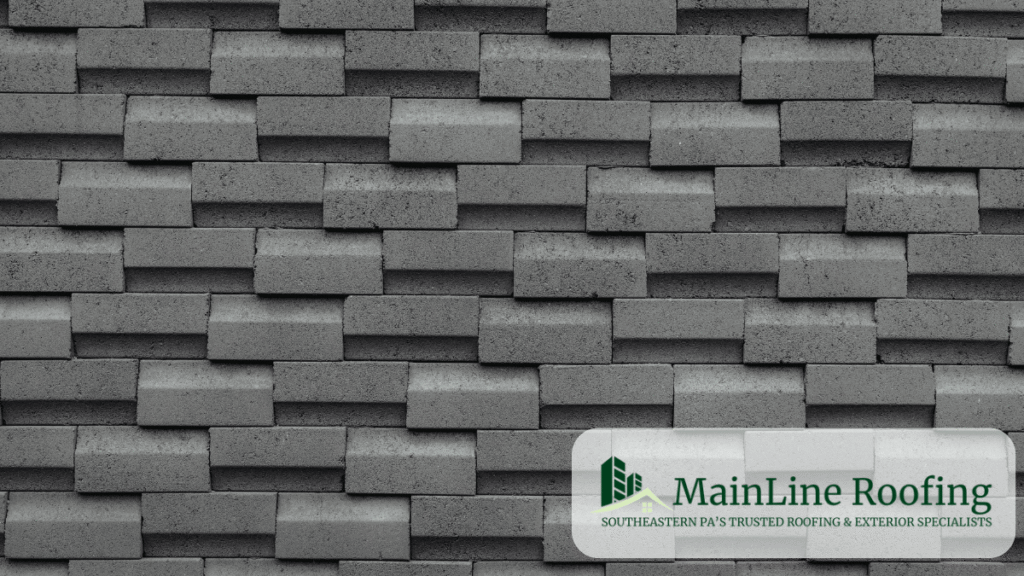
If you’ve received a roofing quote and seen the words “architectural shingles,” you might have wondered what that actually means and whether it matters. It does. Architectural shingles are the standard residential roofing material for good reason, and understanding what they are helps you make a smarter decision when it’s time for a replacement.
This guide covers what architectural shingles are, how they compare to the older 3-tab style, how long they last, what they cost, and what you need to know before your roof gets replaced.
Ready for a Roof Estimate?
Mainline Roofing Pros measures every roof before quoting. No guesswork, no inflated numbers.
What Are Architectural Shingles?
Architectural shingles are asphalt shingles made from two or more layers of material bonded together. The result is a thicker, heavier shingle with a textured, three-dimensional appearance that mimics natural slate or cedar shake at a fraction of the cost.
They go by several names. Dimensional shingles, laminate shingles, and laminated shingles all refer to the same product. “Architectural” is simply the most widely used term in the industry and in quotes you’ll receive from contractors.
The defining feature is their layered construction. Unlike older 3-tab shingles, which are a single flat layer, architectural shingles are built up to create visible depth and shadow lines across the roof surface. This is what gives them their distinctive look and most of their performance advantages.
Architectural Shingles vs. 3-Tab Shingles
3-tab shingles dominated residential roofing for decades. They’re a single flat layer with cutouts along the bottom edge that create the appearance of three separate tabs. They’re lighter and cheaper per bundle, but their market share has dropped significantly as architectural shingles became the de facto standard.
Here’s how the two compare across the factors that matter most:
| Feature | 3-Tab Shingles | Architectural Shingles |
|---|---|---|
| Construction | Single flat layer | Two or more laminated layers |
| Typical weight per square | 180 to 225 lbs | 270 to 425 lbs |
| Manufacturer warranty | 20 to 25 years | 25 to 50 years (some “lifetime”) |
| Wind resistance | 60 to 70 mph | 110 to 130+ mph |
| Appearance | Flat, uniform | Textured, dimensional, varied |
| Material cost premium | Baseline | 20 to 40% more per square |
| Still widely installed? | Rarely on new work | Yes, industry standard |
If you’re replacing a roof that currently has 3-tab shingles, upgrading to architectural is almost always the right call. The cost difference over the life of the roof is minimal, and the performance and appearance improvements are meaningful.
How Long Do Architectural Shingles Last?
The manufacturer warranty on most standard architectural shingles runs 25 to 30 years. Premium architectural lines carry 40 to 50-year warranties, sometimes marketed as “lifetime” limited warranties.
In real-world conditions in southeastern Pennsylvania, a quality architectural shingle installation done correctly will typically last 20 to 30 years before needing replacement. The actual lifespan depends on several factors:
- Attic ventilation – poor ventilation is the single biggest accelerant of shingle aging
- Installation quality – improper nailing or skipped underlayment shortens roof life significantly
- Roof pitch – lower-slope roofs age faster because water drains more slowly
- Sun and wind exposure – south and west-facing slopes take more punishment
- Storm history – hail, heavy snow loads, and ice dams cause cumulative damage
A roof that’s properly installed with adequate ventilation and quality materials will consistently outperform a cheaper installation of the same product. This is why choosing a contractor matters more than obsessing over brand comparisons.
Warranty vs. lifespan: A “30-year shingle” doesn’t mean you’ll get exactly 30 years of service. It means the manufacturer warrants the product against defects for that period under specific installation and ventilation conditions. Actual lifespan varies widely based on the factors above.
Architectural Shingle Brands and Product Lines
Three manufacturers dominate the architectural shingle market in the Philadelphia region. Each has strong product lines at multiple price points.
GAF Timberline
The Timberline line is one of the most widely installed architectural shingles in the country. The Timberline HDZ is the flagship product, offering a 130 mph wind rating and 30-year limited warranty with a “lifetime” limited warranty available on qualifying installations. The Timberline CS and NS series offer longer coverage at a higher price point.
CertainTeed Landmark
The Landmark series is a strong competitor to the Timberline. Similar warranty and wind rating with a slightly different texture profile. Known for good algae resistance, which matters in the humid summers common in the Philadelphia suburbs. The Landmark PRO and TL lines are mid-range upgrades worth considering.
Owens Corning Duration
The Duration series uses Owens Corning’s SureNail technology, which provides an extra nailing zone across the width of the shingle for improved wind resistance. Solid track record in the northeast, good color selection, and competitive warranty terms.
All three brands perform well when installed correctly. The brand is less important than the contractor doing the work, the ventilation system in your attic, and the details like ice and water shield installation.
Architectural vs. Designer vs. Impact-Resistant Shingles
Beyond standard architectural shingles, there are two upgrade tiers worth understanding when making your decision:
Designer and Luxury Shingles
Products like GAF Camelot II, CertainTeed Presidential, or Owens Corning Berkshire are made to closely replicate the look of natural slate or thick cedar shake. They’re heavier and thicker than standard architectural, with longer warranties and more dramatic visual profiles. They typically cost 40 to 70 percent more than standard architectural shingles and are a strong fit for homes where curb appeal is a priority, particularly older Main Line stone homes where the roof is a prominent part of the facade.
Impact-Resistant (Class 4) Shingles
Class 4 impact-rated shingles are designed and tested to withstand hail better than standard products. They use a modified asphalt or rubber-reinforced mat to resist cracking on impact. Products like GAF Timberline ArmorShield II, CertainTeed Landmark IR, and Owens Corning Duration STORM fall into this category. In some cases, Class 4 shingles qualify for homeowner insurance premium discounts – worth asking your insurer about before choosing your shingle.
| Shingle Tier | Best For | Cost Premium Over Standard |
|---|---|---|
| Standard architectural | Most residential replacements | Baseline |
| Designer / luxury | High-visibility homes, slate/cedar look | 40 to 70% more |
| Impact-resistant (Class 4) | Hail-prone areas, potential insurance savings | 15 to 30% more |
| Premium architectural | Longer warranty, enhanced performance | 20 to 40% more |
What Do Architectural Shingles Cost?
Architectural shingle materials typically run $100 to $175 per square for standard lines. Designer and luxury lines can run $200 to $350 or more per square for materials alone.
The material cost is only one piece of the total project cost. A complete roof replacement also includes:
- Labor for tear-off and installation
- Synthetic underlayment or felt across the full deck
- Ice and water shield at eaves and valleys (required in Pennsylvania)
- Starter strip shingles at eaves and rakes
- Ridge cap shingles
- Flashing at chimneys, skylights, walls, and valleys
- Disposal and haul-away of old material
- Any necessary decking repairs
A complete roof replacement on a typical home in the Main Line or Delaware County area runs from roughly $8,000 to $20,000 or more, depending on the size of the roof, pitch complexity, and materials selected. Our roofing estimate calculator gives you a ballpark based on your specific roof before anyone comes out.
Installation Requirements for Architectural Shingles
Architectural shingles are heavier than 3-tab. Most homes in the Philadelphia suburbs have roof structures that handle this without issue, but very old homes or homes with existing framing concerns may need evaluation before installation.
A proper architectural shingle installation includes:
- Ice and water shield at the eaves and in all valleys – this is code in Pennsylvania and protects against ice dam damage and wind-driven rain
- Synthetic or felt underlayment across the rest of the deck
- Starter strip shingles along the eaves and rake edges – not cut shingles, purpose-made starter
- Shingles installed with the manufacturer-specified nail pattern – typically 4 to 6 nails per shingle depending on pitch and wind zone
- Proper offset staggering between courses
- Hip and ridge cap shingles designed for the product line
- Adequate attic ventilation per code and manufacturer requirements
Architectural shingles also require a minimum roof pitch to perform as intended. They are rated for slopes of 4/12 and above for standard installation, and 2/12 to 4/12 with a double underlayment requirement. Very low slopes – below 2/12 – need flat roofing materials entirely. Our guide on minimum pitch for asphalt shingles covers this in detail.
Bundles per square: Standard architectural shingles come 3 bundles per square. Some premium and designer lines come 4 bundles per square because each bundle is lighter. Always confirm the bundle coverage on the product you’re using before ordering material.
Are Architectural Shingles the Right Choice for Your Roof?
For the vast majority of residential roofing in southeastern Pennsylvania, standard architectural shingles are the right call. They offer the best balance of cost, durability, appearance, wind resistance, and long-term value.
Consider upgrading to designer or luxury shingles if your home has a steep, prominent roofline and curb appeal is a meaningful priority. Consider impact-resistant if your area has a history of hail events and your insurer offers a premium discount for Class 4 products.
If your roof is being replaced because it’s simply old and worn – not because of a specific failure or damage event – this is also the right time to evaluate your attic ventilation, flashing condition, and roof decking before new shingles go down. A good installer will flag any of these issues during the estimate process.
Not sure whether repair or replacement is the right move? Our guide on when to repair vs. replace your roof walks through that decision step by step.
Get a Ballpark Before Calling Anyone
Use our roofing estimate calculator to get a cost range based on your roof size, pitch, and material before committing to anything.
Try the Estimate CalculatorFrequently Asked Questions About Architectural Shingles
Are architectural shingles the same as dimensional shingles?
Yes. Architectural shingles, dimensional shingles, laminate shingles, and laminated shingles are all different names for the same product – a multi-layer asphalt shingle with a textured, dimensional appearance.
How many bundles of architectural shingles do I need?
Standard architectural shingles come 3 bundles per square (100 sq ft of roof surface). A 25-square roof needs 75 bundles before waste factor. Waste factor adds roughly 10 to 15 percent for a simple roof and up to 20 percent for a complex one. See our guide on how to measure roof squares for a full walkthrough.
Can architectural shingles go on a low-slope roof?
They’re rated for slopes of 4/12 and above under standard installation. Slopes between 2/12 and 4/12 require double underlayment. Anything below 2/12 needs flat roofing materials such as EPDM or TPO. Our guide on minimum pitch for asphalt shingles covers this fully.
What is the best architectural shingle brand?
GAF, CertainTeed, and Owens Corning all make strong products with comparable warranty terms and performance. The more important variable is the quality of the installation. A well-installed mid-tier shingle will outperform a premium shingle with poor installation every time.
Do architectural shingles come in different colors?
Yes. Most major brands offer 20 to 30 colors, ranging from traditional charcoal grays and weathered browns to more distinctive options. Color affects both the appearance and, to a minor degree, the thermal performance of the roof.
Are architectural shingles worth the extra cost over 3-tab?
In almost every case, yes. Architectural shingles cost more upfront but typically last longer, resist wind better, and look significantly better on the roof. Over the life of the installation, the cost difference per year of service is minimal.
How do I know if my roof needs replacement vs. repair?
Key indicators for replacement include widespread granule loss, curling or cupped shingles across multiple areas, a roof over 20 years old, recurring leaks from multiple sources, and visible daylight through the decking in the attic. Our guide on repair vs. replacement walks through the full decision process.
More Helpful Roofing Guides from Mainline Roofing Pros
Serving homeowners across the Main Line, Delaware County, Montgomery County, and Chester County.
Bottom Line
Architectural shingles are the standard for residential roofing because they earn it. They last longer than 3-tab, resist wind better, look significantly better on the roof, and cost only moderately more. For most homes in Villanova, Bryn Mawr, Haverford, and across the Main Line and surrounding counties, a standard architectural shingle replacement is the right choice.
If you want to understand what product makes the most sense for your specific roof, the best next step is a professional measurement and estimate. We’ll walk you through the options and help you compare the numbers.
Ready to Replace Your Roof with Architectural Shingles?
Mainline Roofing Pros installs architectural shingles from GAF, CertainTeed, and Owens Corning. We measure every roof before quoting. Serving the Main Line, Delco, Montco, and Chester County.
Founder & Owner of Main Line Roofing Pros. 22+ years of local roofing expertise serving Main Line, Delco, Montco & Chesco homeowners with honest, high-quality work.